

Quick Breakfast Casserole Recipe Ready in Just 60 Minutes

Mornings can be hectic, and finding a breakfast that is quick, filling, and tasty often feels impossible. Skipping breakfast or relying on unhealthy options can leave you low on energy and struggling to start the day. This Quick Breakfast Casserole Recipe solves that problem by combining eggs, cheese, and your favorite add-ins into one easy, satisfying dish.

Ready in just 60 minutes, it’s perfect for busy mornings or weekend brunches when you want something hearty without spending hours in the kitchen. Easy to prep ahead and customize, this casserole ensures you have a delicious, nutritious breakfast that keeps everyone happy and energized.
Why Does This Breakfast Casserole Recipe Work?
This breakfast recipe works because it is simple, filling, and perfect for busy mornings. It combines basic ingredients that blend beautifully while baking, creating a soft, flavorful, and satisfying dish. You can prepare it ahead of time, making it a convenient option for families, guests, or meal prep.
- Balanced Ingredients – A good breakfast casserole combines eggs, dairy, vegetables, and protein in the right proportions. Eggs act as a binder, holding everything together, while milk or cream adds moisture and a tender texture.
- Layering for Flavor – When you layer ingredients like cheese, cooked sausage or bacon, and vegetables, each bite has a mix of flavors and textures. This prevents sogginess and ensures every portion is flavorful.
- Even Cooking – Baking the casserole slowly in the oven allows the eggs to set evenly and the cheese to melt perfectly. Pre-cooking ingredients like vegetables or meats removes excess moisture, preventing a watery result.
- Make-Ahead Convenience – Many breakfast casseroles can be assembled the night before. Overnight refrigeration lets the flavors meld, making the final dish even more delicious and easier to serve in the morning.
- Customizable – This recipe works because it’s flexible. You can swap vegetables, meats, or cheeses according to taste or what’s on hand, making it adaptable without compromising texture or structure.
Ingredients You Will Need
| Category | Ingredients | Notes / Options |
| Eggs and Dairy | Eggs, Milk, Cream, Half-and-Half | Use whole eggs for richness; dairy adds creaminess |
| Meats and Protein Options | Bacon, Sausage, Ham, Chicken, Tofu | Pre-cook meats to remove excess fat; tofu for a vegetarian option |
| Vegetables and Flavor Boosters | Bell Peppers, Onions, Spinach, Mushrooms, Tomatoes | Sauté vegetables to avoid excess moisture |
| Seasonings and Herbs | Salt, Black Pepper, Garlic Powder, Paprika, Thyme, Parsley | Fresh herbs for garnish; adjust seasonings to taste |
How to Make Breakfast Casserole Recipe: Step-by-Step Instructions
Here’s a detailed guide to making a delicious breakfast casserole, covering every step from prep to baking.
Step 1 – Preheat the Oven
Preheat your oven to 350°F (175°C). This ensures that the casserole cooks evenly from the moment it goes in. Grease a 9×13-inch baking dish with butter or non-stick spray to prevent sticking.
Step 3 – Cook Your Meat
If you’re using sausage, bacon, or ham, cook it in a skillet over medium heat until browned. Remove from the pan and drain excess fat. Cooking the meat beforehand ensures that it’s fully done and adds extra flavor to the casserole.
Step 4 – Prepare the Vegetables
Chop vegetables into small, even pieces. Sauté harder vegetables like onions, mushrooms, and bell peppers until they are slightly tender. This step enhances flavor and prevents them from releasing excess moisture during baking.
Step 5 – Mix the Eggs and Milk
In a large mixing bowl, whisk together eggs and milk (or cream) until smooth. Add a pinch of salt, pepper, and any other seasonings you like. This mixture will serve as the base that holds the casserole together.
Step 6 – Layer the Ingredients
Start by layering your bread cubes or hash browns evenly at the bottom of the greased baking dish. Next, add cooked meat and vegetables in an even layer. Sprinkle a generous amount of cheese over the top. Finally, pour the egg mixture evenly over all the ingredients. Press lightly with a spatula to make sure the eggs soak through.
Step 7 – Bake the Casserole
Place the casserole in the preheated oven and bake for 35–45 minutes, or until the eggs are fully set and the top is golden brown. To check doneness, insert a knife in the center; it should come out clean.
Step 8 – Let It Rest
After baking, allow the casserole to rest for 5–10 minutes. This helps it firm up slightly and makes serving easier.
Step 9 – Serve and Enjoy
Cut the casserole into squares and serve warm. Pair it with fresh fruit, salsa, or a light side salad for a complete breakfast.
Serving Suggestions
A breakfast casserole is not only hearty and satisfying, but it also looks inviting when served with care. Thoughtful presentation and complementary sides can turn a simple casserole into a complete breakfast experience that’s perfect for family meals, brunches, or special occasions.
Portioning and Presentation
Cut the casserole into evenly sized squares or rectangles for easy serving. Use a spatula to lift each piece gently, keeping the layers intact. For a polished look, sprinkle a little extra cheese or fresh herbs like parsley or chives on top before serving.
Pairing Ideas for a Complete Breakfast
Serve your breakfast casserole recipe with fresh fruit, such as berries or sliced oranges, to add brightness and a natural sweetness. Toast, muffins, or a light salad can complement the richness of the casserole. Coffee, tea, or fresh juice are perfect beverage choices to round out the meal. See our Breakfast Frittata Recipe for another delicious morning option.
Ideal Occasions for Serving
This dish is versatile enough for everyday breakfasts but also shines at brunches, holiday mornings, and family gatherings. It’s easy to make ahead, so it works well for busy weekends, potlucks, or even casual dinner parties when you want a warm, comforting meal.
Variations of Breakfast Casserole Recipe
Breakfast casseroles are incredibly versatile, allowing you to tailor ingredients to your taste, dietary needs, or occasion. From vegetarian options to make-ahead meals, you can easily switch up proteins, vegetables, and seasonings to create a casserole you’ll love every time.
Vegetarian Breakfast Casserole
Skip the meat and load your casserole with vegetables like spinach, mushrooms, bell peppers, and zucchini. Add your favorite cheese for richness and use eggs or a tofu mixture as the binder. This option is hearty, flavorful, and perfect for a lighter, meat-free breakfast.
Sausage and Bacon Casserole
For a meaty, savory version, combine cooked breakfast sausage and crispy bacon with eggs, cheese, and bread or hash browns. This variation is rich and filling, making it ideal for weekend brunches or special family breakfasts.
Low-Carb or Keto breakfast casserole
Replace bread or potatoes with low-carb alternatives like cauliflower rice or zucchini slices. Use full-fat cheese, eggs, and a variety of meats or low-carb vegetables. This version keeps the casserole satisfying while staying within keto or low-carb dietary guidelines.
How to Store, Freeze, and Reheat Without Losing Flavor?
To store leftover breakfast casserole, let it cool completely before covering it tightly with plastic wrap or placing it in an airtight container. Refrigerate for up to 3–4 days to keep it fresh. Proper sealing prevents the casserole from drying out or absorbing odors from other foods.

For freezing, cut the casserole into portions and wrap each piece tightly in plastic wrap, then place them in a freezer-safe bag or container. Freeze for up to 2–3 months. When reheating, thaw overnight in the refrigerator for best results. Warm in the oven at 325°F until heated through, or microwave individual portions in short intervals to avoid drying. Adding a small sprinkle of cheese on top before reheating can help restore moisture and flavor.
Nutrition Information
For a standard breakfast casserole (per serving, assuming 8 servings per 9×13-inch casserole). Exact values may vary depending on ingredients and portion size.
| Nutrient | Amount per Serving |
| Calories | 320 kcal |
| Protein | 18 g |
| Carbohydrates | 20 g |
| Dietary Fiber | 2 g |
| Sugars | 3 g |
| Fat | 20 g |
| Saturated Fat | 9 g |
| Cholesterol | 210 mg |
| Sodium | 580 mg |
| Vitamin A | 25% DV |
| Vitamin C | 10% DV |
| Calcium | 25% DV |
| Iron | 15% DV |
Common Mistakes to Avoid
Making a breakfast casserole might seem straightforward, but small missteps can affect texture, flavor, and overall success. Being aware of these common mistakes ensures your casserole comes out perfectly every time.
Overcooking or Undercooking
Baking for too long can make the casserole dry and rubbery, while undercooking leaves the eggs runny and the layers unset. Always check for doneness by inserting a knife or toothpick in the center; it should come out clean. Following the recommended baking time and temperature helps maintain a soft, fluffy texture.
Using Too Much or Too Little Liquid
Adding too much milk or cream can make the casserole soggy, while too little can make it dry and dense. Measure carefully and whisk the eggs with the liquid until smooth to create the perfect custard-like consistency that holds the casserole together.
Skipping Seasoning
Eggs and bread can be bland on their own. Don’t forget to season each layer with salt, pepper, and your favorite spices or herbs. Proper seasoning enhances every ingredient and ensures the casserole is flavorful from top to bottom.
Choosing the Right Baking Dish for Even Cooking
Choosing the right baking dish helps your breakfast casserole cook evenly. A 9×13-inch dish is ideal for most recipes because it allows the mixture to spread properly. The dish should be about 2–3 inches deep so the center cooks through without the edges drying out.
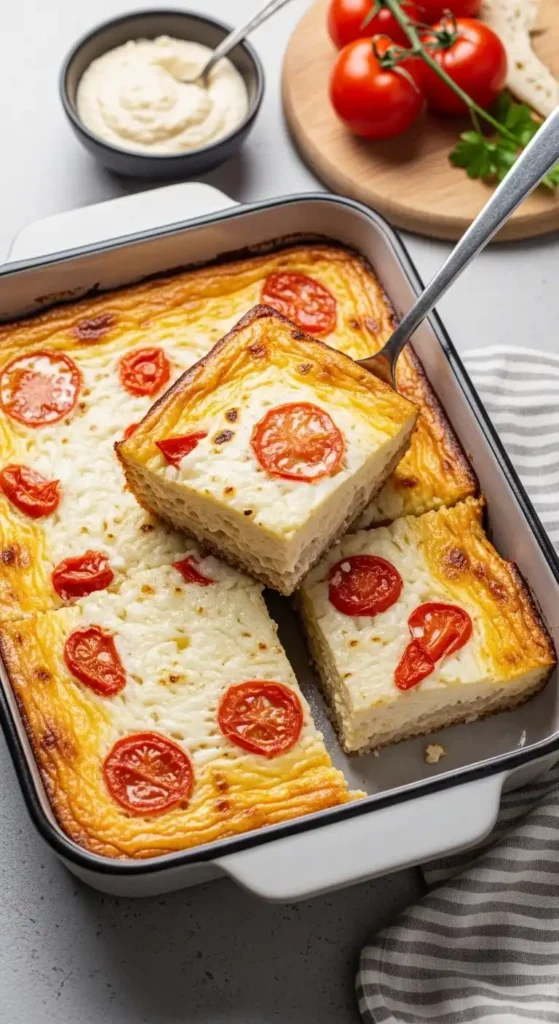
Material also makes a difference. Glass and ceramic dishes heat evenly and hold warmth longer, while metal pans heat faster and may brown the edges quickly. Always grease the dish well to prevent sticking and ensure clean slices when serving.
How to Prevent a Watery or Soggy Casserole?
A watery or soggy breakfast casserole usually happens due to excess moisture. To prevent this, always cook vegetables like mushrooms, spinach, and onions before adding them to the dish. This removes extra water that would otherwise be released during baking. Also, drain cooked meat well to avoid adding unnecessary grease or liquid. For a flavorful twist, you can use these tips when making a Huevos Rancheros Breakfast casserole.
Measuring the egg-to-milk ratio correctly is just as important. Too much milk can make the casserole loose and soggy. Use sturdy bread and avoid overly fresh, soft slices since they absorb too much liquid. Let the casserole rest for 5–10 minutes after baking so it fully sets and holds its shape when sliced.
Conclusion
This Quick Breakfast Casserole Recipe is the perfect solution for busy mornings when you need something warm, filling, and easy to prepare. With simple ingredients, flexible variations, and make-ahead convenience, it delivers balanced flavor and satisfying texture in every bite.
By following the right steps and avoiding common mistakes, you can create a hearty, delicious breakfast that works for everyday meals, weekend brunches, or special gatherings, all ready in just 60 minutes.